
 Policies
Safeguarding
Safeguarding information about our school.
Safeguarding and promoting the welfare of children is of paramount importance and is everyone’s responsibility. All members of staff receive regular training and updates. Staff at St Peter’s all use the CPOMS electronic recording system to record safeguarding concerns.
It is the responsibility of every member of staff, volunteer, and regular visitor to our school to ensure that they carry out the requirements of this policy and, always, work in a way that will safeguard and promote the welfare of all the pupils at this school. This includes the responsibility to provide a safe environment in which children can learn.
Our Safeguarding Process
- I have a safeguarding concern relating to a …child, parent, member of staff
- Write down your concern on CPOMS or a cause for concern sheet if you cannot gain access.
- Inform a member of the Safeguarding Team
- Advice will be given on the next steps
- A plan will be put in place
- Feedback to the referrer
If you are worried about a child

E-Safety
Digital safety has become an increasing concern for parents and schools over the last year as young people have had to spend more time online. There are many ways we can protect young people and now, more than ever, we need to be even more vigilant about their access to online platforms and social media Apps.
Computers and technology can be lots of fun. While online you can learn new things, talk to your friends, and play games. Sometimes though things can happen online that make you upset or worry you. People may say mean things which make you feel sad, or you may see something that you do not like. It is especially important that you are safe whilst you are on the computer and know what to do if you feel scared or threatened in anyway. If this happens, you must remember it is not your fault. TELL AN ADULT YOU TRUST if you are upset or worried about something that has happened to you.
Children’s Commissioner Digital Lives
Parenting today can feel overwhelming — especially when childhood looks so different from what we grew up with. There’s no manual, and it can be hard to keep up with the fast-changing digital world your child moves through every day. This guide aims to make those conversations easier and help you support your child with confidence.
Think You Know
CEOP Education is a programme from the National Crime Agencies CEOP Team, that helps protect children and young people from online abuse. Please use the links below to explore their online resources.
KS1
If you are in KS1 you can find out more by going to:
KS2
If you are in KS2 you can find out more by going to:
Childline
Childline service gives children and young people a voice when no one else is listening. Whatever problems or dangers they face, they give them somewhere to turn to for support when they need it.
Childline is free to contact on 0800 1111. Childline counsellors are there to take calls 24 hours a day, 7 days a week, for children and young people under 19.
Prevent Duty
Prevent is part of the Government’s counter-terrorism strategy that aims to stop people becoming terrorists and support those who are susceptible to extremist views. It is a multi-agency approach to safeguard people at risk of radicalisation.
The Prevent Strategy has three main objectives:
- Respond to the ideological challenge of terrorism and threat we face, and those who promote it;
- Prevent people from being drawn into terrorism and ensure that they are given appropriate advise and support;
- Work with sectors and institutes where there are risks of radicalisation which we need to address.
Preventing Children and Young People from Radicalisation
If you believe someone is at risk of radicalisation you can help them obtain support and prevent them becoming involved by raising your concerns and making a referral, either to the schools Designated Safeguarding Lead, or contact:
Anti-terrorist hotline: 0800 789 321
Crimestoppers: 0800 555 111
Police: 999
| Page Views | 1411
Updated | 9th February, 2026 |
Latest News

Year 5: BWCET Celebration of Sport
Yesterday, Year 5 had a fantastic day at Gateshead Stadium taking part in the Bishop Wilkinson Celebration of Sport. Taking part in a carousel of activities, they had the opportunity to showcase their skills of dance, athletics and multi sports. It was so lovely to be able to spend time with other schools from our […]
Published: July 3, 2026
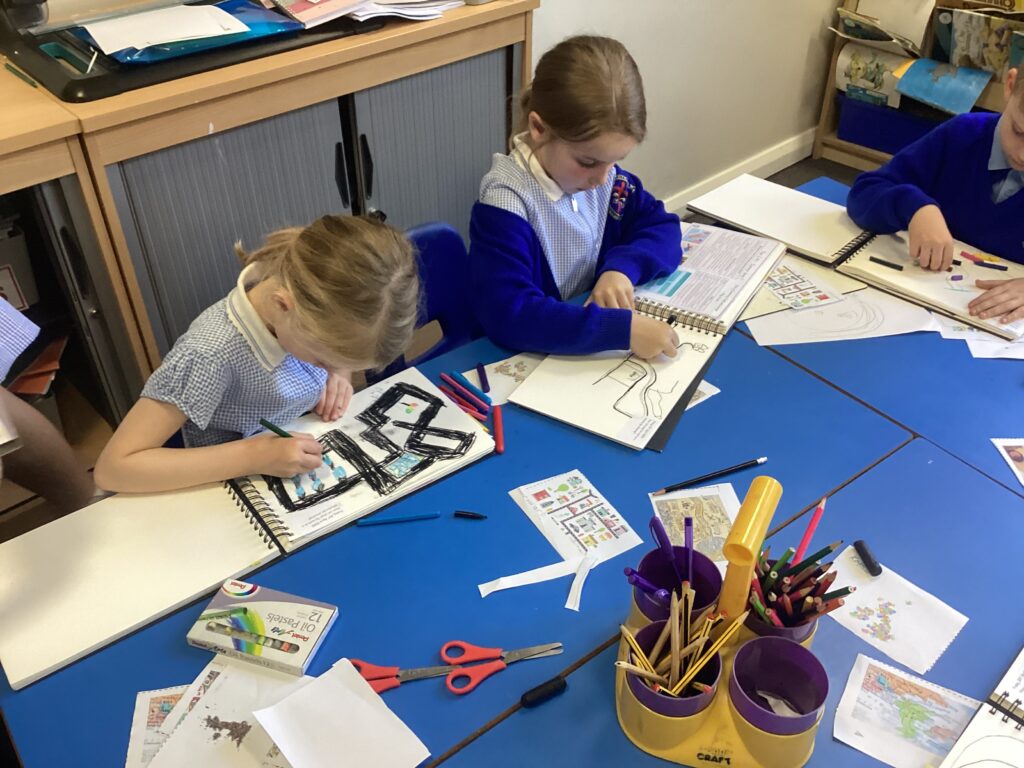
Year 2 – Map it out
In our art lessons, we have been creating different art pieces inspired by maps. We have drawn our own maps, used collage to create a relief map and created abstract stained glass maps. This week, we have used our ideas to design a map print that we will use for printing in the coming weeks.
Published: July 3, 2026



The Bishop Wilkinson Catholic Education Trust is an exempt charity. It is a company limited by guarantee registered in England and Wales under company registration number 07890590. The registered office address is Bishop Wilkinson Catholic Education HQ, Barmston Court, Turbine Business Park, Nissan Way, Washington, SR5 3NY.